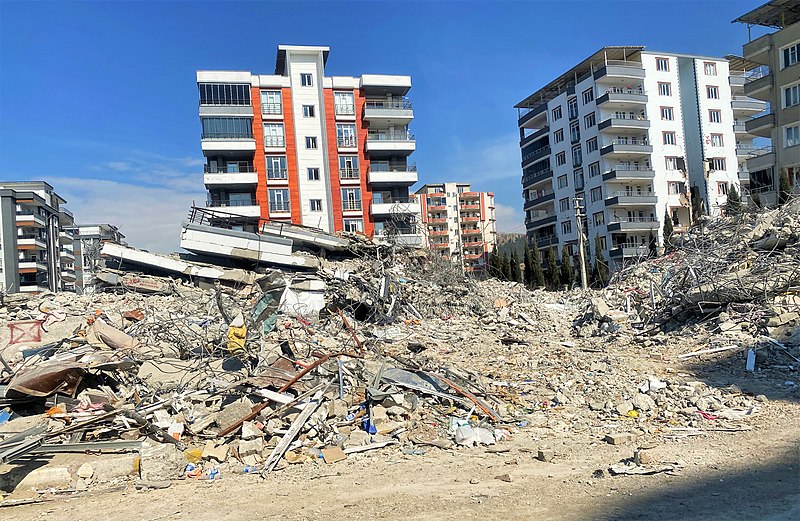

When we think of Hurricane Katrina, most of us imagine flooded neighborhoods, destroyed homes, and thousands of lives forever changed. But what many people overlook is that Katrina was more than a natural disaster; it was a human tragedy shaped by inequality, poor government response, and systemic neglect. Even now, nearly two decades later, the truth continues to unfold through documentaries and reports that reveal the deeper failures behind the storm.
In my opinion, Hurricane Katrina exposed the cracks within our nation’s systems. Streaming platforms such as Disney+, Hulu, and National Geographic have helped bring awareness to the real story. A story of how government agencies like FEMA failed to deliver timely aid to those most in need. Beyond the chaos, racial injustice played a devastating role. Many Black residents in New Orleans were left stranded, highlighting how deeply racism and class inequality influenced who received help and who was forgotten.
Freshman Nealiyah Beadle expressed her disappointment, saying, “I was really shocked and disappointed the government did this and the problem still goes on today. People are still just learning about this. It is something that really wrecked the United States.” Her words reflect the lasting frustration and heartbreak that still linger years after the disaster.
Research shows that the main reasons many Black residents and people of color suffered the worst outcomes during Katrina were linked to systemic racism, discriminatory housing policies, and poverty that forced families to live in flood-prone areas. When the storm struck, many lacked the means to evacuate, and the government’s slow response only deepened the tragedy.
Freshman Raquel Dyal shared her emotional reaction: “I was devastated because of how many fatalities there were and how many were in the hospital because of Hurricane Katrina. I just couldn’t believe that one category 3 hurricane could do that to so many people.” Her shock is understandable, Katrina’s destruction went far beyond what most expected.
By late August 2005, Katrina had intensified into a Category 5 hurricane, leaving chaos across Louisiana and Mississippi. People were stranded on rooftops, searching for food, water, and safety, while the rest of the country watched in disbelief. The lack of swift government action revealed how unprepared the nation was for a crisis of this scale.
Freshman Steven Xue shared, “My parents were devastated that Hurricane Katrina impacted the world and America very vigorously. My parents were shocked by the amount of fatalities lost. It really took a place in history.”
Hurricane Katrina was not just a natural event but it was a test of empathy, leadership, and justice. In my view, it revealed how deeply inequality runs within our systems and how easily marginalized communities can be overlooked in moments of crisis. As a society, we must learn from this tragedy. Disasters will continue to happen, but whether we repeat the same mistakes depends on how willing we are to face the truth and demand change.