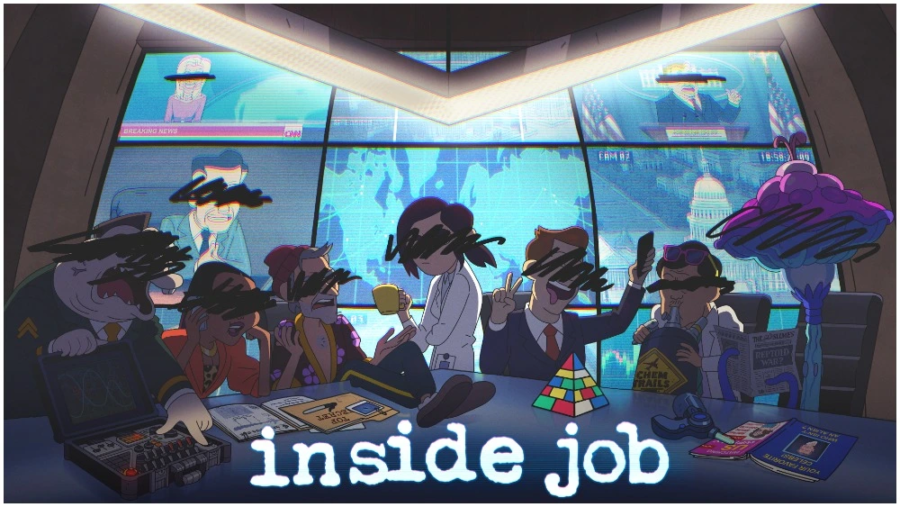


Social media is such a big part of teenagers’ daily lives, and creates trends like “brain rot,” a label many kids use to describe funny online content. Some people wonder if spending too much time on media could be harmful to the younger generations. After interviewing many students at Suncoast, it is clear that opinions on brain rot and how spending time on screens is not as simple as “good” or “bad.”
According to Merriam Webster, “Brain rot refers to material of low or addictive quality, typically in online media, that preoccupies someone to the point it is said to affect mental functioning. Both the state of preoccupation and resulting mental degradation.” I believe that, depending on the brain rot it definitely is doing damage to the younger generations. The amount of time younger kids spend scrolling and watching a screen will eventually be affected negatively. As a teenager, I spend an insane amount of time on my phone scrolling on TikTok and not doing my work. This is one of the many bad parts of social media. It is a great idea to take a break from phones or even screens in general. The Guardian states, “The internet is shrinking our grey matter, shortening attention spans, weakening memory and distorting our cognitive processes” Yet others disagree.
Dianelys Valcarcel, a sophomore, does not think brain rot is actually harmful. She agrees with part of what I think, but has a different view on the effects on younger generations. Valcarcel said brain rot can, “Help young generations learn more of their language.” Valcarcel also explains how important taking breaks from screens is: “You should not have your face in a screen 24/7,” though she admits, “It’s not as bad as people make it out to be.”
Freshman students, Devin Barret, Andrew Doonan, Matthew Richardson, Miguel Gutierrez and Jael Duran-Mendez all agree that brain rot can be funny in some moments, but they are also very aware of its impact. They explain that brain rot can be unfunny and inappropriate when used at a serious event. They split up their screen time with activities, like playing video games, playing sports outside and spending time on social media like TikTok or Instagram.
Barret states, “It’s important to take breaks from screens to stay healthy, both mentally and physically.”
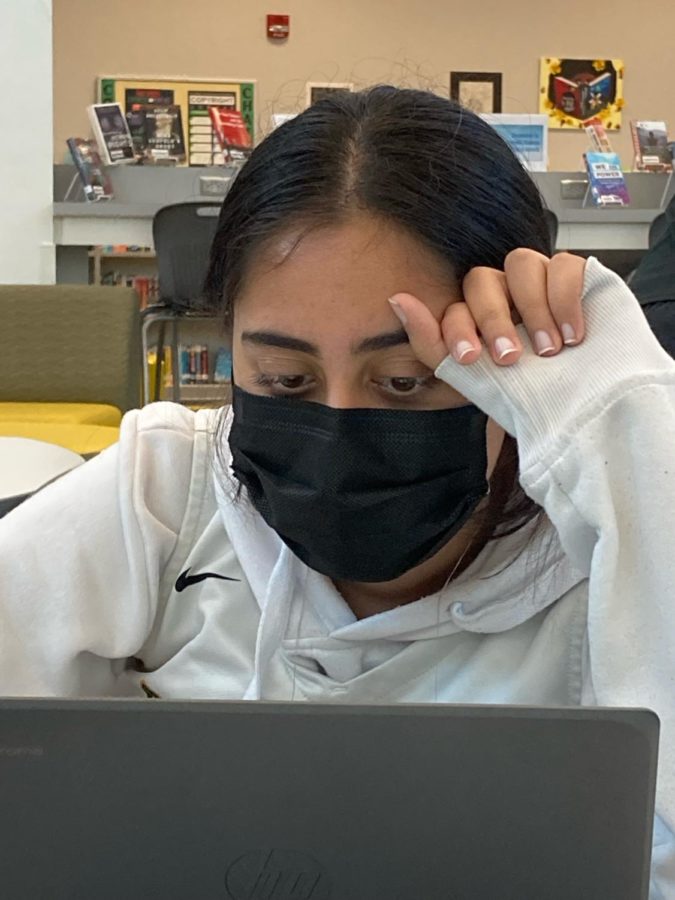
Spending too much time on social media can lead to being exhausted, distracted, and can create bad habits when not getting enough offline time as well.
Although students have a variety of opinions, The Guardian and I can agree that brain rot may not be dangerous but can be detrimental to learning. The main problem is how much time is spent on screens and if teens need to remember to step away or set goals to have a specific amount of time on their screens.